OpenTelemetry: Is it Time to Switch, Wait, or Double Down?
Is now the right time to adopt OpenTelemetry? Join senior engineering, cloud, and observability leaders for a Blend virtual roundtable with Chronosphere to discuss migration strategies, AI-driven telemetry, and the practical realities of modern observability.
OpenTelemetry (OTel) has rapidly become one of the most influential developments in the observability landscape. As a graduated CNCF project and increasingly common standard across cloud-native environments, many organizations view OpenTelemetry as a pathway to greater flexibility, reduced vendor lock-in, and a more future-proof observability strategy.
Yet the reality of adoption is often more complicated.
For engineering and infrastructure leaders, the question is no longer whether OpenTelemetry matters – it’s whether the timing is right. Organizations must weigh technical complexity, organizational readiness, migration costs, and evolving observability requirements, particularly as AI-powered applications introduce new telemetry demands.
Join Blend and Chronosphere for a candid virtual roundtable bringing together senior engineering, cloud, and observability leaders to discuss what it actually takes to adopt OpenTelemetry successfully. Through peer-led discussion, attendees will share lessons learned, migration challenges, architectural considerations, and how the rise of AI is reshaping their observability roadmaps.
This session is designed to move beyond theory and explore the practical realities of deciding whether to switch, wait, or accelerate adoption.
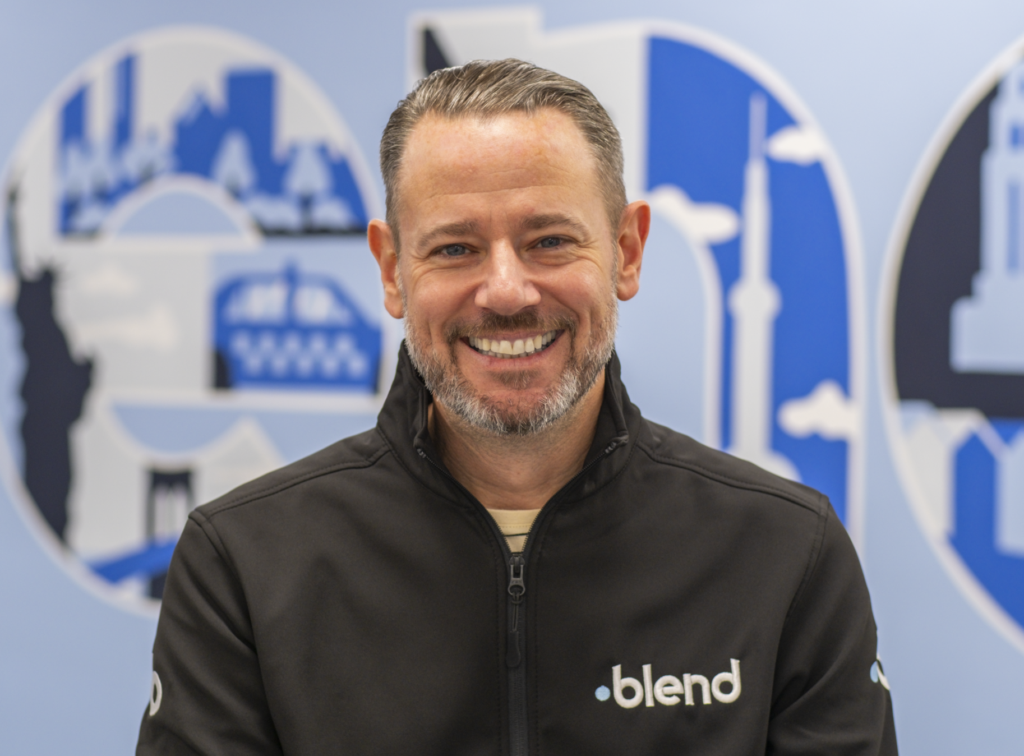
Colin Cosell is a professional emcee, announcer, and executive communications expert with more than 25 years of experience across television, radio, film, stage, and corporate events. When he’s not at the lectern or moderating executive panels, Colin serves as the Public Address Announcer for the New York Mets, Army Football, the Premier Lacrosse League, and numerous other professional and collegiate teams. Over the course of his career, Colin has earned three Emmy Awards and has announced to more than 30 million attendees worldwide. His greatest source of pride, however, are his wife, Julia, and their little girl, Eloise.
Rosti Spitchka
Senior Sales Engineer | Chronosphere, a Palo Alto Networks Company
Rosti is a Solutions Engineer working at Chronosphere. His role involves providing data-driven recommendations and helping companies optimize their cloud observability strategy. His previous roles ranged from being a product manager, running an operations team, to being an infrastructure engineer.
Key themes & discussion topics
OpenTelemetry Adoption & Industry Maturity How OpenTelemetry is reshaping enterprise observability, where adoption stands today, and what is driving organizations toward open standards.
Migration Challenges & Operational Complexity The technical, operational, and organizational realities of moving to OpenTelemetry, including common obstacles and implementation considerations.
Open Standards, Vendor Strategy & Platform Flexibility The balance between reducing vendor lock-in, maintaining operational simplicity, and building a scalable observability strategy.
AI-Driven Observability & The Future of Telemetry How AI workloads are transforming telemetry requirements and influencing the future direction of enterprise observability.
Event agenda
01
Welcome remarks
11:00 – 11:15 AM
02
Guided group discussion
11:15 – 12:15 PM
03
Closing thought & group reflection
12:15 – 12:30 PM
Why should you attend?
Learn how enterprise engineering leaders are deciding whether to adopt, delay, or accelerate OpenTelemetry.
Hear practical lessons from peers navigating observability modernization and migration challenges.
Explore how AI is reshaping telemetry requirements and long-term observability strategies.
Exchange ideas with senior cloud, platform, and engineering leaders facing similar architectural decisions.
Who should attend
This roundtable is designed for senior technology and engineering leaders responsible for cloud infrastructure, reliability, and observability. The session is particularly relevant for organizations evaluating OpenTelemetry adoption, modernizing observability strategies, or preparing their environments for AI-driven workloads.
Toward the Self-Healing SOC: Can Security Operations Learn Faster than Attackers?
Join Blend and Qevlar AI for an interactive executive roundtable exploring the next evolution of security operations: the Self-Healing SOC. Through candid peer exchange, cybersecurity leaders will discuss how AI, automation, and continuous learning can help security teams move beyond faster alert processing toward operations that improve with every investigation.
Human Connection in the Age of AI: Why Trust and Relationships are Becoming the Ultimate Competitive Advantage
Join Blend and senior marketing leaders from across North America for a candid discussion on why human connection is becoming the ultimate competitive advantage in an AI-driven world. Through peer exchange and shared experiences, attendees will explore how executive engagement, communities, and relationship-driven growth strategies are helping organizations build trust, influence buying committees, and strengthen customer loyalty at scale.
Human Connection in the Age of AI: Why Trust and Relationships are Becoming the Ultimate Competitive Advantage
Join Blend and senior marketing leaders from across North America for a candid discussion on why human connection is becoming the ultimate competitive advantage in an AI-driven world. Through peer exchange and shared experiences, attendees will explore how executive engagement, communities, and relationship-driven growth strategies are helping organizations build trust, influence buying committees, and strengthen customer loyalty at scale.